From Restoration to Resilience: A Story of Community Transformation in Bangka and Belitung
Mangrove restoration in Bangka and Belitung is more than an environmental initiative; it represents a journey of transformation for local village communities. What began as an effort to rehabilitate degraded coastal ecosystems is gradually becoming a platform for community empowerment, collective responsibility, and sustainable livelihoods. Through active participation, local communities are moving beyond their traditional roles as beneficiaries of conservation programs to become key actors in protecting and managing their natural resources.
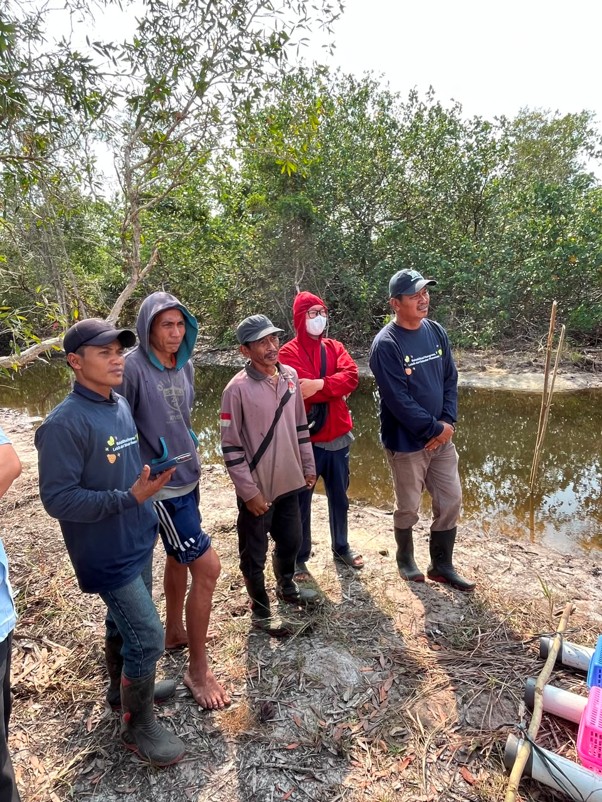
One of the most meaningful changes can be seen in the growing involvement of village working groups. During the field visit, community members demonstrated their understanding of local environmental conditions, shared practical knowledge, and participated in discussions on restoration activities. Their engagement reflects an emerging sense of ownership and confidence in managing their surrounding ecosystems. This collaborative approach strengthens local capacity while fostering trust and shared responsibility among community members and project stakeholders.
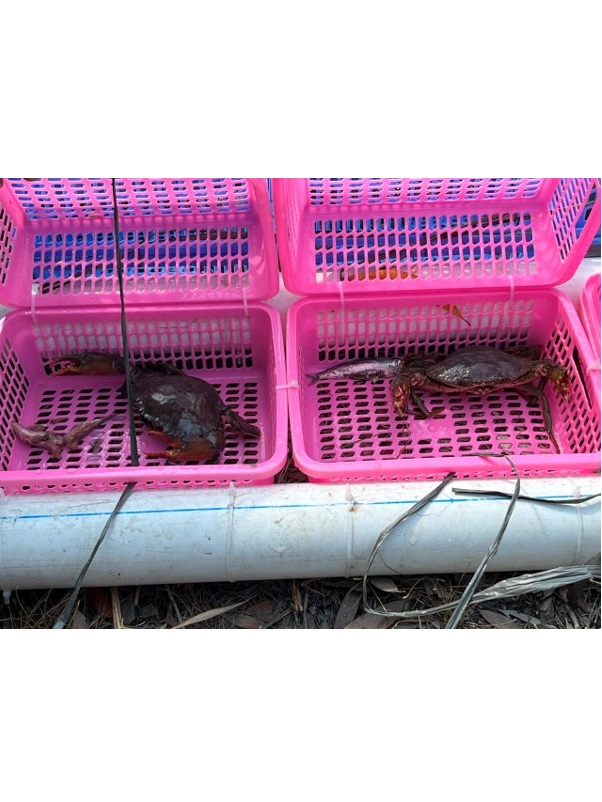
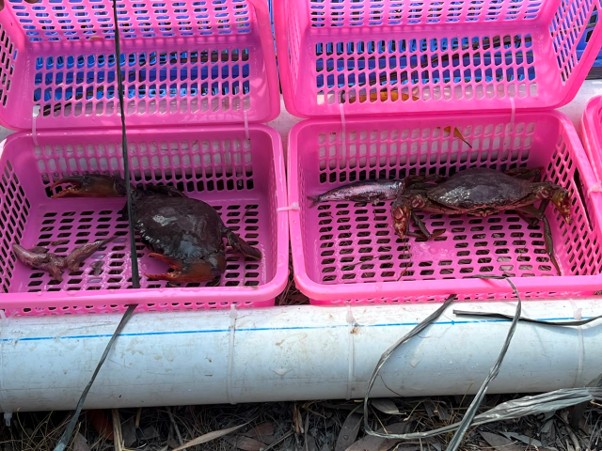
Beyond ecological restoration, the initiative is also exploring opportunities to connect mangrove conservation with economic development. Mud crab fattening has emerged as a promising nature-based livelihood activity that could provide additional income opportunities for local households. By exploring the economic potential of healthy mangrove ecosystems, communities are beginning to recognize that environmental protection and economic prosperity can reinforce one another. This approach offers a pathway toward reducing pressure on natural resources while encouraging more sustainable livelihood practices.
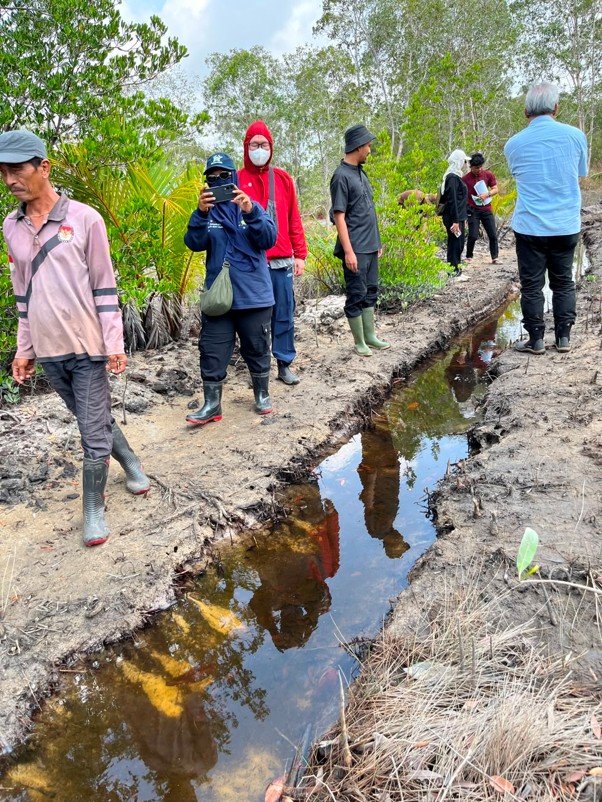
Another important aspect of the transformation is the community’s increasing attention to ecological restoration techniques, particularly water channel management. During the field observation, existing channels were examined to better understand water circulation and its potential contribution to mangrove recovery. Restoring appropriate hydrological conditions is essential for supporting mangrove regeneration and improving ecosystem resilience. The involvement of local community members in these observations demonstrates how practical field experience and environmental awareness can contribute to more informed restoration decisions.
Together, these developments illustrate an encouraging shift toward a more community-driven model of mangrove restoration in Bangka and Belitung. The emerging collaboration between ecological rehabilitation, livelihood diversification, and local participation provides a foundation for long-term sustainability. While continued technical support, monitoring, and capacity building remain essential, the most significant change lies in the growing role of village communities as active stewards of their environment. Their journey demonstrates that successful mangrove restoration is not only about bringing forests back to life, but also about strengthening the people whose futures are closely connected to them.
#rig